Plan Your Trip to Avila and Segovia
Two of Spain's best-preserved walled cities, each an easy day trip from Madrid: tickets, trains, and what to see, sorted out.
Walking the walls in Avila and touring the Alcazar in Segovia both take separate paid tickets, and getting between towns means a train ticket from Madrid. Prices and schedules change, so confirm current details on the official sites before you go.
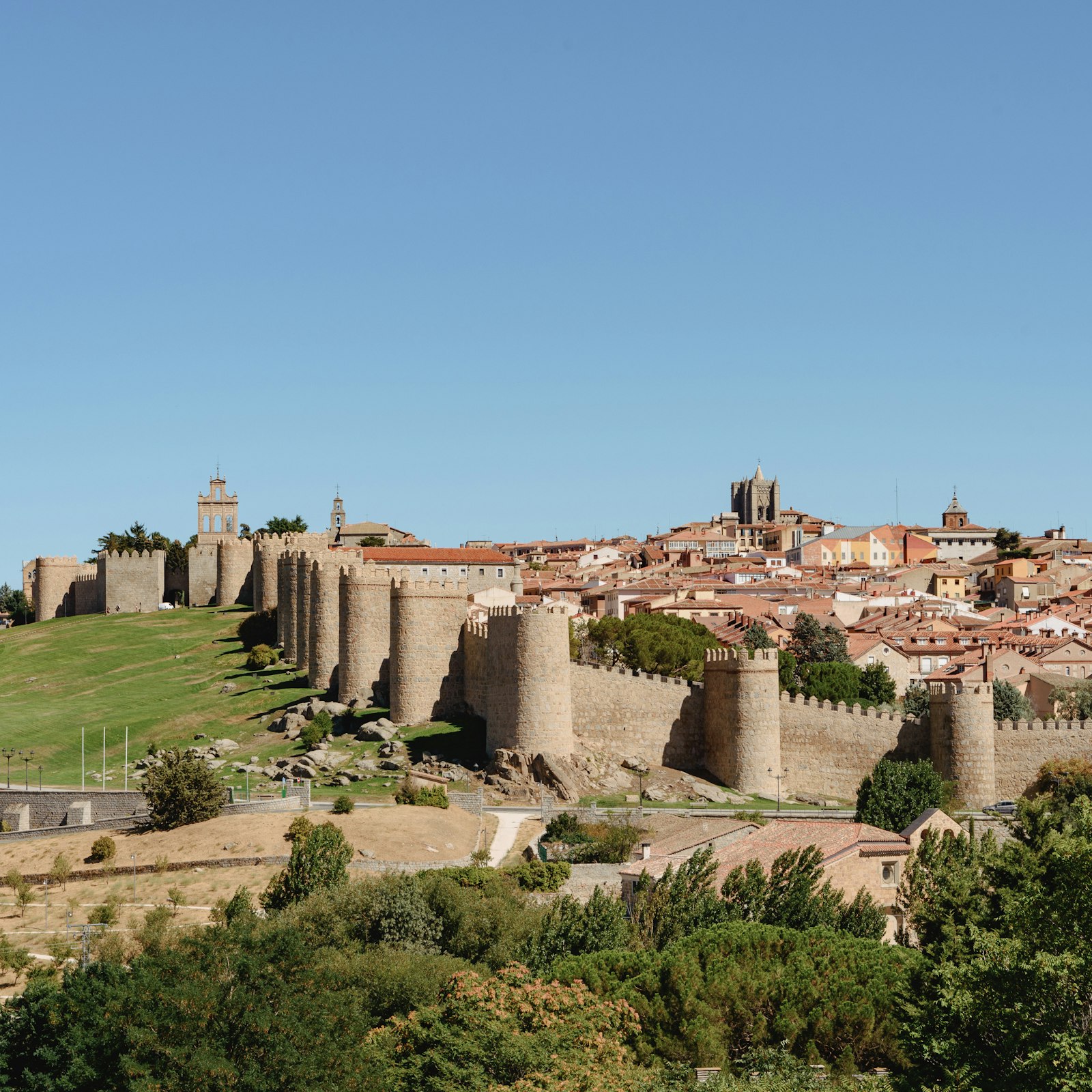
A paid ticket lets you walk a stretch of Avila's 2,500-meter medieval walls, with access points near the cathedral and the Puerta del Alcazar.
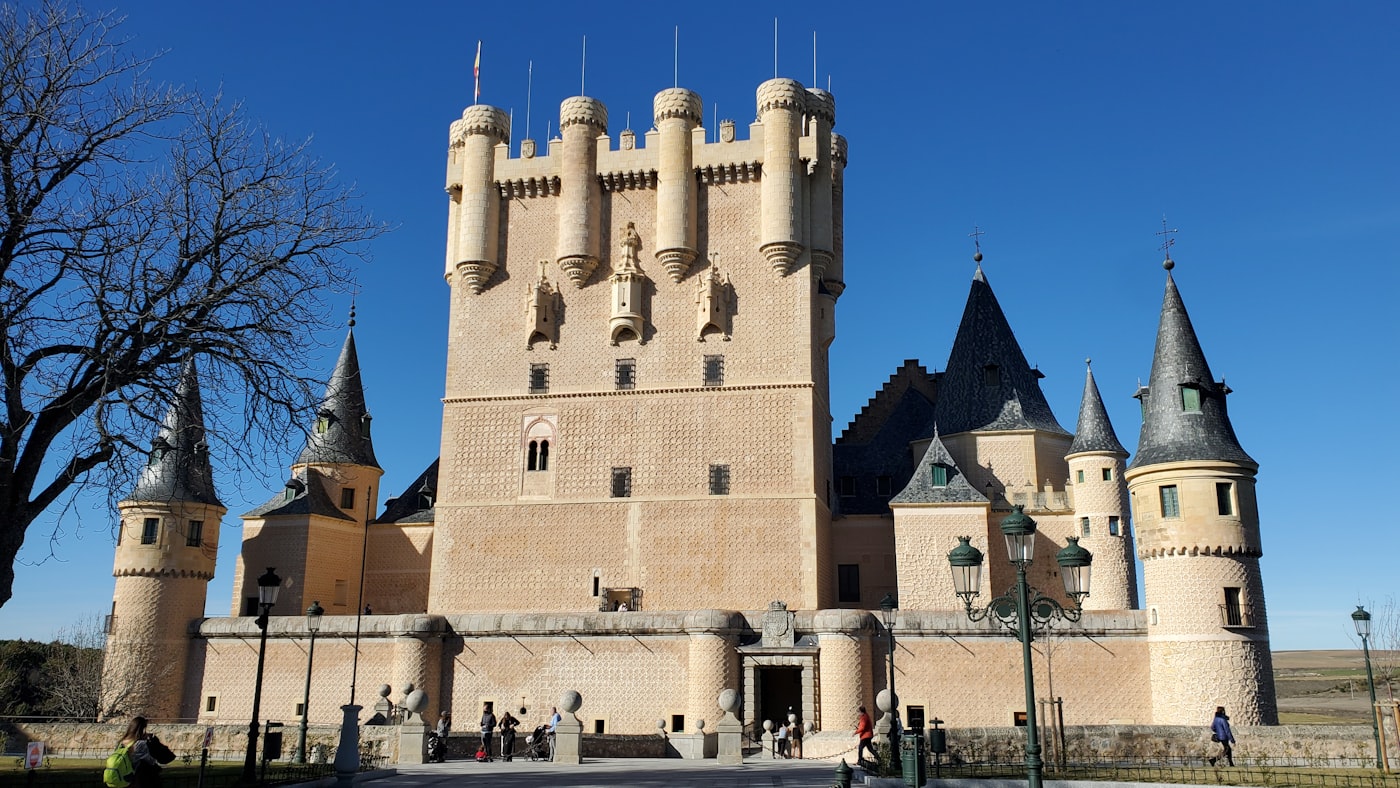
A separate paid ticket covers the Alcazar's rooms, armory, and tower, perched on a rocky spur above the meeting of two rivers.
Renfe high-speed trains reach Segovia in about 30 minutes and Avila in about 90 minutes from Madrid, making either an easy day trip.
Nearly 900 years old and still fully encircling the old town, Avila's ramparts are among the best-preserved medieval walls in Europe.
A two-tiered Roman aqueduct still stands over the city center, built of stone blocks without mortar nearly 2,000 years ago.
Segovia's Alcazar, perched on a rocky spur above two rivers, is often cited as an inspiration for storybook castles.
Segovia is about 30 minutes from Madrid by AVE high-speed train. Avila is about 90 minutes by regional or AVE train, making a same-day visit to both possible if timed carefully.
Both old towns are largely pedestrian and walled, so park just outside the walls and walk in rather than trying to drive through the historic centers.
Avila and Segovia aren't directly connected by fast rail to each other, so most day-trippers see one from Madrid, or combine both via an organized tour or a rental car.
Train schedules and monument opening hours change seasonally, so confirm current times on renfe.com and each site's official page before you go.
The nearly complete 11th-century ramparts with 88 towers ringing the old town.
A fortress-like Gothic cathedral built directly into the city walls.
Built over the birthplace of St. Teresa of Avila.
The towering, mortar-free Roman aqueduct running through the city center.
A turreted castle on a rocky spur, with rooms, an armory, and a climbable tower.
The last major Gothic cathedral built in Spain, known as "The Lady of Cathedrals."
Narrow lanes in the old Jewish quarter near the cathedral.
Can I visit both Avila and Segovia in one day?
It's possible but tight, since the two towns aren't directly linked by fast rail. Most visitors pick one for a relaxed day trip from Madrid, or join an organized tour covering both.
How do I get to Segovia from Madrid?
The AVE high-speed train takes about 30 minutes from Madrid Chamartin. Regional buses are cheaper but slower.
How do I get to Avila from Madrid?
Regional and AVE trains take about 90 minutes from Madrid Chamartin.
Do I need a ticket to see the walls or Alcazar?
Walking on top of Avila's walls and entering Segovia's Alcazar both require separate paid tickets. Viewing them from outside is free.
What's the food to try in Segovia?
Cochinillo asado (roast suckling pig) is the local specialty, served at restaurants throughout the old town.
Is either town walkable?
Yes, both historic centers are compact, walled, and best explored on foot.
Avila and Segovia are two walled cities in the Castile and Leon region of Spain, each within a day trip of Madrid. Avila is enclosed by one of Europe's best-preserved medieval wall circuits, built from the 11th century onward, and is known as the birthplace of St. Teresa of Avila.
Segovia is famed for its Roman aqueduct, still standing after nearly 2,000 years, and its Alcazar, a turreted castle perched above the meeting of two rivers. Both old towns are UNESCO World Heritage Sites and popular pairings for visitors basing themselves in Madrid.